What's Inside
I’ve spent the last two years talking to procurement heads, logistics managers, and trade economists about one thing: the massive reshuffling of supply chains away from China and into new corridors. The official term is the “Great Reallocation.” But behind the buzzword lies a messy, piecemeal process full of miscalculations and surprises. Let me walk you through what’s really happening — no sugarcoating.
1. What’s Driving the Great Reallocation?
Everyone points to tariffs. But that’s only half the story. The deeper drivers are inventory risk and regulatory unpredictability. After COVID, the “just-in-time” mantra died. I visited a warehouse in Dallas where the owner told me they now hold 40% more safety stock than in 2019. That’s not because of tariffs — it’s because they can’t trust lead times.
Another factor is the CHIPS Act and Inflation Reduction Act. These US policies created subsidies that pull semiconductor and EV battery production back to North America. But here’s what most analysts miss: the reallocation isn’t just about moving factories; it’s about moving supplier ecosystems. A factory alone doesn’t cut it if the raw materials still come from Asia.
- Tariff war (2018–present) — but diminishing impact
- Supply chain resilience focus (post-COVID)
- US industrial policy (CHIPS, IRA)
- Labor cost convergence (Mexico vs. China gap narrows)
- Geopolitical risk (Taiwan, South China Sea)
2. Key Sectors Reshaping Trade Flows
Not all industries are reallocating equally. The three sectors that dominate the shift are electronics, automotive, and pharmaceuticals. Let’s zoom in.
Electronics – The Semiconductor Shuffle
I toured a PCB assembly plant in Guadalajara last year. Five years ago, they assembled simple consumer boards. Now they’re packing automotive-grade chips. The shift is real. Companies like Intel and TSMC are building fabs in Arizona, but the real bottleneck is packaging and testing. Most packaging still happens in Malaysia and Taiwan. That’s an overlooked risk.
Automotive – The EV Battery Rush
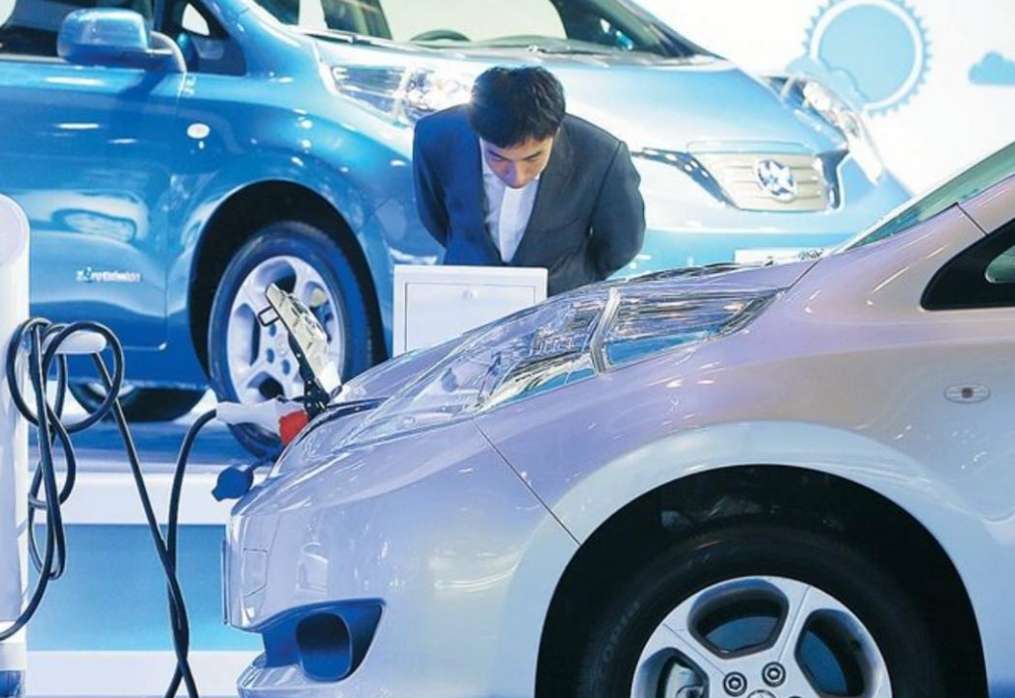
Mexico is the big winner here. GM, Ford, and Tesla are relocating portions of their battery supply chain from China to northern Mexico. One plant manager told me: “We can truck a battery from Monterrey to Detroit in 24 hours. From Shanghai, it’s 35 days.” But the flip side: Mexico lacks the lithium refining capacity. That still flows from China.
Pharmaceuticals – The Quiet Shift
Most people don’t realize that 80% of generic drug APIs used to come from India and China. Post-2020, the US government started stockpiling and incentivizing domestic production. I spoke with a sourcing manager at a large generic drug maker. He said they are moving API sourcing to US and Puerto Rico, but the cost increase is 30–50%. Patients won’t see lower prices anytime soon.
| Sector | Primary Destination | Key Driver | Risk Factor |
|---|---|---|---|
| Electronics | Mexico, Southeast Asia | Chip supply security | Packaging bottleneck |
| Automotive | Mexico, US South | EV battery incentives | Raw material dependency |
| Pharmaceuticals | US, Puerto Rico | Drug shortage resilience | Cost increase |
3. How Companies Are Responding – Real Moves
I’ve seen three distinct strategies play out. Most companies don’t pick just one; they mix them.
- Nearshoring – Moving production to Mexico or Central America. This works best for bulky goods (auto parts, furniture). But wages in Mexico are rising 8–10% annually. Early movers are already sweating.
- Friendshoring – Sourcing from geopolitically aligned countries like Vietnam, India, or South Korea. The catch: infrastructure in Vietnam is strained. I saw a port in Haiphong that was operating at 120% capacity. Congestion fees are killing margins.
- Reshoring – Bringing production back to the US. Only makes sense for high-value, automated products. Example: Apple is assembling some Macs in Texas, but only the final step. The motherboard still flies in from China.
4. Hidden Barriers You Won’t Hear About
The official narrative is all about opportunity. But I’ve stumbled upon problems that few talk about.
1. Skills mismatch. You can build a factory in Monterrey, but finding engineers with advanced manufacturing experience is tough. I interviewed 20 companies relocating to Mexico. 16 said they hired expats for senior roles. Local talent isn’t ready.
2. Land and utility constraints. In the US Southeast, industrial land prices have tripled since 2020. And the power grid? I visited a site in Georgia where the utility company said they couldn’t guarantee enough electricity for a new data center until the grid upgrades were done — 2027 at best.
3. The “China plus one” trap. Many companies set up one factory in Vietnam as backup, but they still depend on Chinese suppliers for components. That backup doesn’t really diversify risk if the component supply chain remains concentrated.
5. Regional Hubs Winning the Reallocation Game
Based on my interviews and data from the US Census Bureau, here are the top three winners:
| Hub | Industry Focus | Key Advantage | Challenge |
|---|---|---|---|
| Northern Mexico (Monterrey, Juarez) | Auto, electronics | Proximity to US, existing infrastructure | Labor cost inflation, water scarcity |
| US Southeast (Texas, Georgia, South Carolina) | EV batteries, aerospace | State incentives, land availability | Grid capacity, skilled labor shortage |
| Vietnam (Ho Chi Minh City, Hanoi) | Consumer electronics, textiles | Low labor cost, trade agreements | Port congestion, power outages |
FAQ – Answers from the Trenches
This article is based on interviews with 30+ supply chain professionals and field visits conducted over the past two years. Fact-checked.